

My Pedagogy: How I Teach the Violin
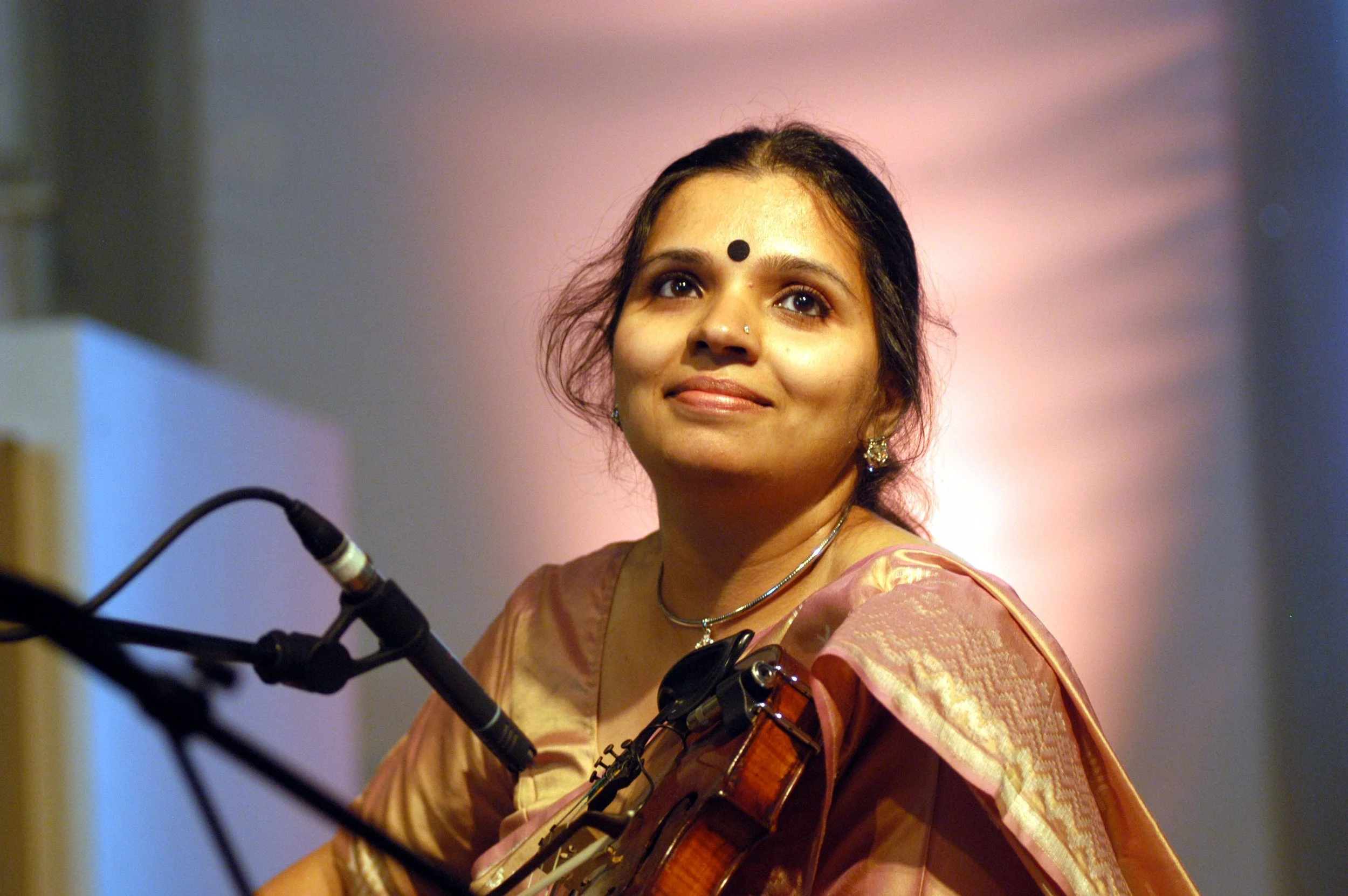
My Pedagogy: How I Teach the Violin
By Kala Ramnath
Teaching, for me, is a continuation of sadhana. The same intensity, joy, and surrender I experience on stage, I try to bring into the classroom—whether that classroom is a quiet room in India, a studio abroad, or a small square on a laptop screen. My pedagogy has grown from three deep roots: the rigorous training of my childhood, the inward-looking beauty of the Mewati vocal tradition, and the many years I have spent sharing this music with students around the world.
Discipline as a form of love
My earliest lessons were not light or casual. Under my grandfather’s guidance, a single exercise could be repeated a hundred times; if I went wrong even once, we would begin all over again. It was tough, but it taught me that discipline is not punishment—it is love for the art form and respect for your own potential. Today, with my students, I keep the spirit of that rigour but express it with more empathy. I do not count their hours of riyaz; I am more interested in the quality of their attention. A single phrase, practised with full presence and an honest ear, can sometimes be more transformative than an hour of distracted practice.
Making the violin truly “sing”
People often say the violin is the closest instrument to the human voice. I take that idea very literally. My years with the Mewati gharana and my training as a disciple of Pandit Jasraj shaped my understanding of how a raga breathes, bends, and blooms in the voice. When I teach violin, I begin by returning students to singing: we vocalise phrases, listen to how the swaras move, feel the meend and andolan in the body, and only then search for that same quality on the strings. The technique—fingering, bowing, subtle pressure changes—must serve the bhava of the phrase, not the other way around. I want my students to experience what it means to play “between the notes,” where so much of Hindustani music’s emotional power actually lives.
Ear before page
In an age of PDFs, apps, and endless recordings, it is easy to forget that Indian music was transmitted for centuries without written notation. I respect notation, and I do use it, but in my classes the ear comes first. I prefer that students listen, repeat, and internalise until a phrase feels as natural as speaking, before they ever write it down. This ear-centric approach strengthens intonation, deepens listening, and prepares them for real improvisisation. When we do use notation or recordings, it is as a map, not as a crutch.
A clear path, many destinations
Not every student comes to me with the same dream. Some wish to become professional performers; others simply want to enrich their lives, heal, or reconnect with their roots through music. I am very honest about how demanding the violin is—it usually takes longer to shape a complete violinist than a vocalist—but I also believe that anyone willing to stay with the journey sincerely can grow in beautiful ways. I structure learning in stages: posture and tone, foundational swaras and bow control, bandish-based exploration of ragas, and gradually, the art of building an alaap, vistar, taans, and layakari. Within this structure, I constantly adjust to the pace, personality, and life circumstances of the student.
Teaching as service
Through Kalashree Foundation, my teaching has moved into hospitals, community initiatives, and programmes for children who might not otherwise have access to classical music. These experiences remind me that music education is not only about producing virtuosos; it is also about nurturing confidence, resilience, and empathy. Whether I am training an advanced disciple preparing for a major concert or introducing a child to their first swara, my intent is the same: to help them discover their own voice and their own inner space of quiet strength through music.
Extending my pedagogy online
In recent years, I have also been working to extend this pedagogy into the digital space through indianclassicalmusic.com. I am slowly building a living archive of lessons, performances, and curated materials that reflect the same values I hold in my in‑person teaching: depth over speed, listening over mere information, and a balance of tradition and exploration. My hope is that students and rasikas across the world, regardless of geography or background, can access these resources and experience at least a small taste of the guru–shishya intimacy in an online format.
Teaching is, in a way, a dialogue with time. I carry my gurus’ voices within me, and through my students, those voices will travel much further than I ever can alone. This is what pedagogy means to me—not just a method of instruction, but a living relationship between tradition, creativity, and the human heart.
