

Indian Classical Music as a Lifelong Friend
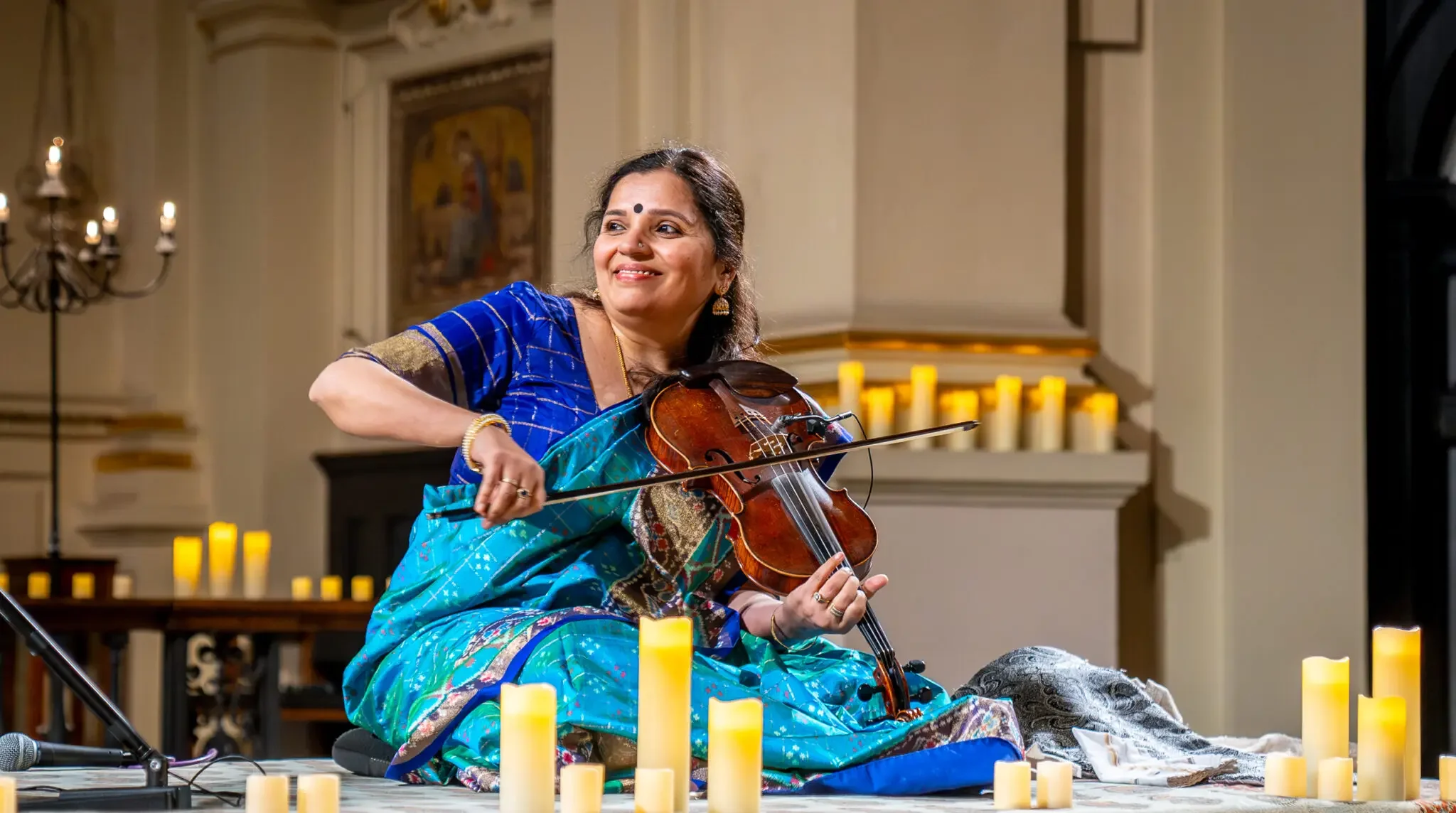
Indian classical music is one of the most powerful ways to support a child’s focus, creativity, and emotional balance. It is a gentle yet structured discipline that helps children grow from the inside out.
Why Indian Classical Music Is Good for Your Child.
• Builds strong concentration and discipline
Regular riyaaz (practice) teaches children to listen carefully, remember patterns, and stay with a task for longer. This naturally supports their attention in schoolwork and other activities.
• Supports brain development and learning
Working with raag (melody) and taal (rhythm) exercises both sides of the brain. Children learn to recognize patterns, keep time, and coordinate voice or hands, which helps with skills like math, language, and problem-solving.
• Improves emotional expression and confidence
Each raag carries a different mood—happy, calm, devotional, or thoughtful. As children sing or play, they learn to understand and express their feelings in a healthy, artistic way, which builds self-confidence.
• Reduces stress and brings calm
The slow, meditative aspects of Indian classical music encourage steady breathing and relaxation. A simple daily practice can help children unwind after school and feel more peaceful at home.
• Connects them to culture and values
Through bandishes, bhajans, and traditional compositions, children meet the stories, languages, and wisdom of India’s heritage. This gives them a strong sense of identity and respect for tradition, even while growing up in a modern world.
How Parents Can Support :
• Encourage a regular, short practice time instead of long, occasional sessions.
• Create a quiet, positive space for listening and singing.
• Attend small performances or recitals so your child feels
supported and appreciated.
With patient guidance and regular practice, Indian classical music can become a lifelong friend for your child—supporting their mind, heart, and character.
